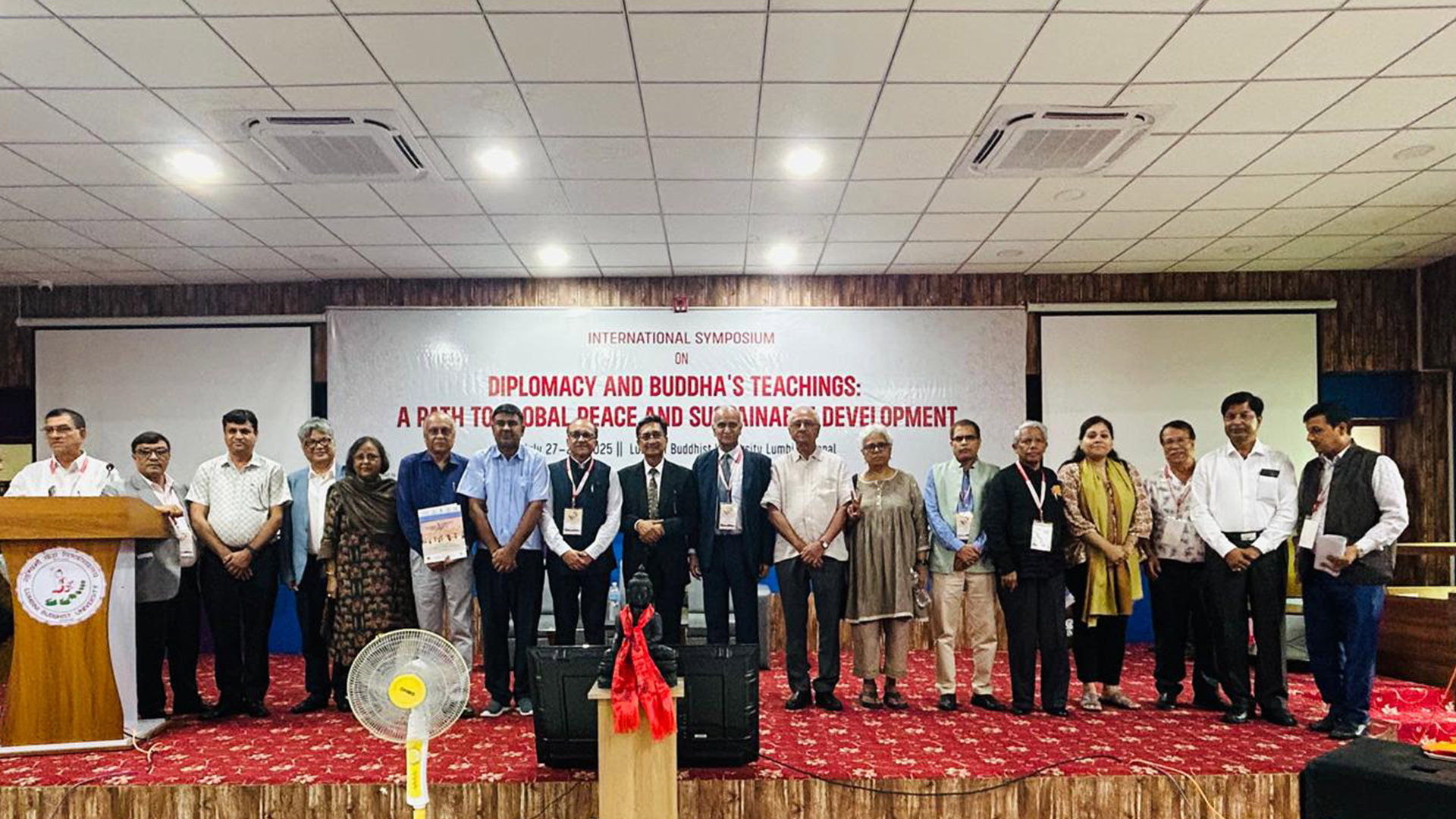
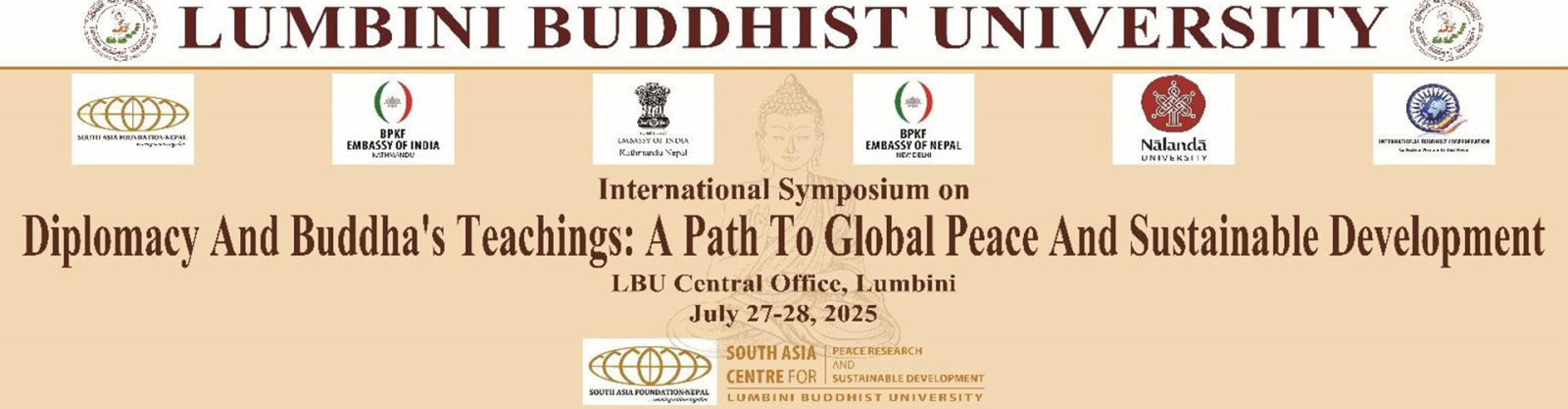
The South Asia Centre for Peace Research and Sustainable Development (SACPRSD), established by the South Asia Foundation-Nepal (SAF-Nepal), in collaboration with Lumbini Buddhist University (LBU), successfully convened an international symposium in the sacred birthplace of Gautam Buddha. The two-day event explored the intersection of global diplomacy and the timeless relevance of Buddha’s teachings in building peace and promoting sustainable development.
Supported by the Embassy of India in Nepal and the BP Koirala India-Nepal Foundation, and held in partnership with Nalanda University and the International Buddhist Confederation, the symposium brought together academicians, diplomats, scholars, dignitaries, monastic leaders, and peace practitioners from leading institutions across South Asia and beyond.
Key Objectives
Symposium Highlights
Day 1Key Sessions & Speakers
The symposium opened with a keynote address by Prof. Abhaya Kumar Singh, Former Vice Chancellor of Nalanda University, setting the tone for profound deliberations on the ethical and diplomatic dimensions of Buddha’s teachings. Distinguished panels featured:
Day 2 Geopolitics & Future Pathways
Sessions focused on the integration of Buddhist ethics into sustainable development and dialogue:
Closing Session:
The two-day deliberations concluded with:
Conclusion
The Lumbini symposium provided a vibrant platform for scholars, diplomats, and peace practitioners to engage in meaningful dialogue on the ethical foundations of global diplomacy and sustainable development. It reaffirmed the mission of SAF-Nepal and LBU to promote peacebuilding leadership and to foster regional and global harmony inspired by the timeless wisdom of Gautam Buddha.
The launch of the Postgraduate Diploma in Peacebuilding and Sustainable Development marks a significant milestone for SACPRSD, opening avenues for academic exchange, research, and collaborative action to advance peace and sustainability across South Asia and the world.
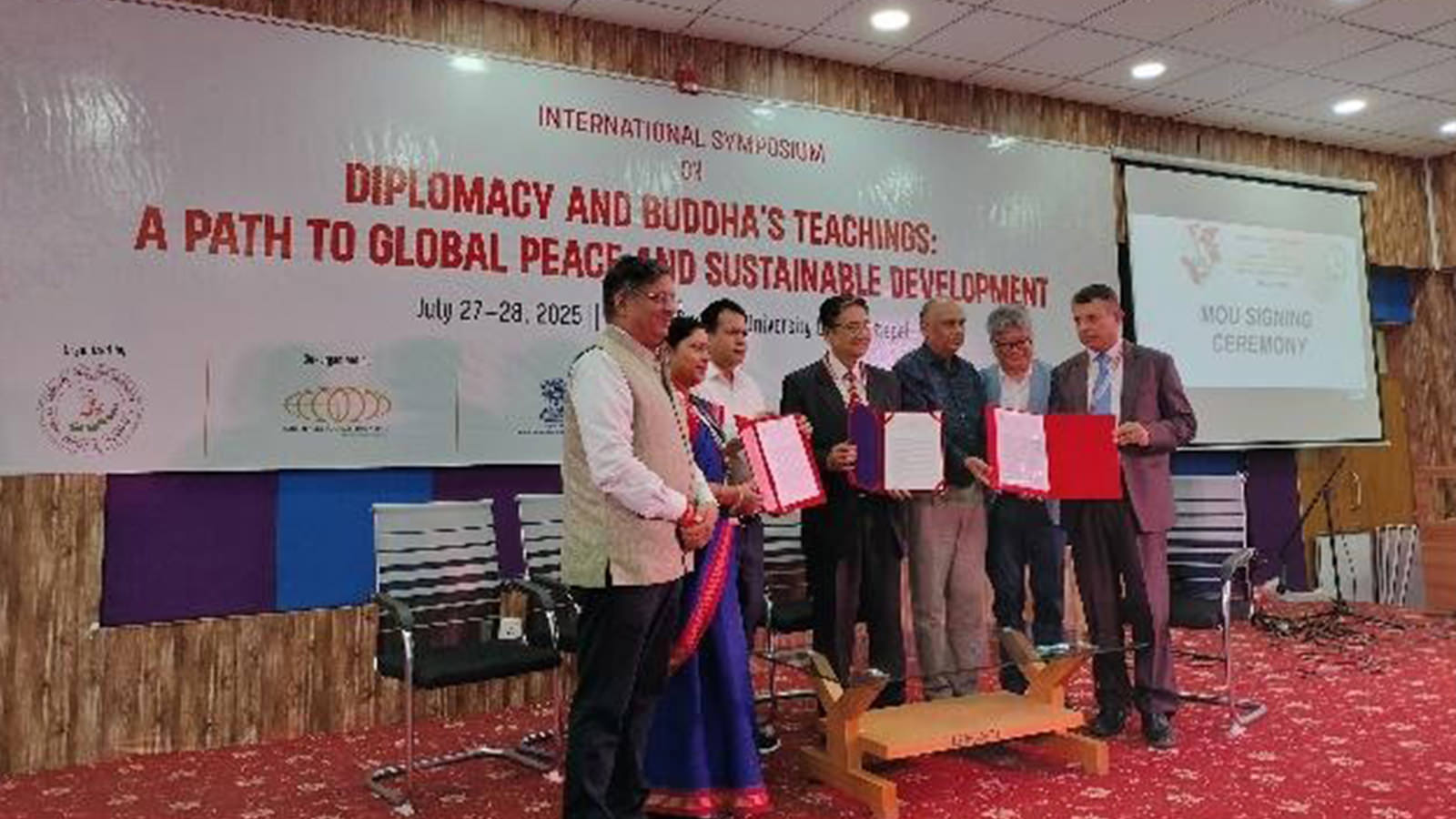
MOU Signing Ceremony with Siddhartha University
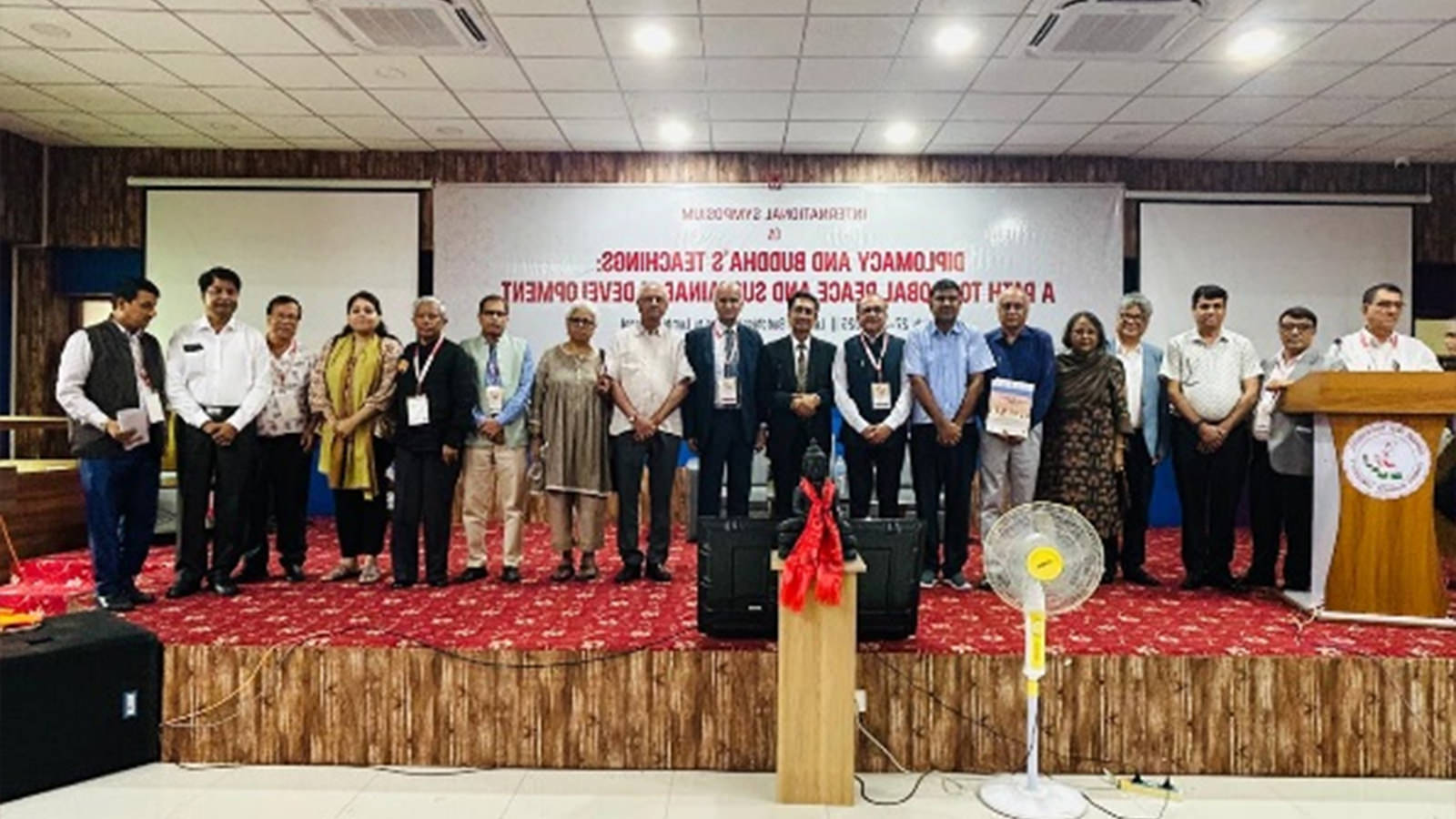
Declaration of the Postgraduate Diploma in Peacebuilding and Sustainable Development
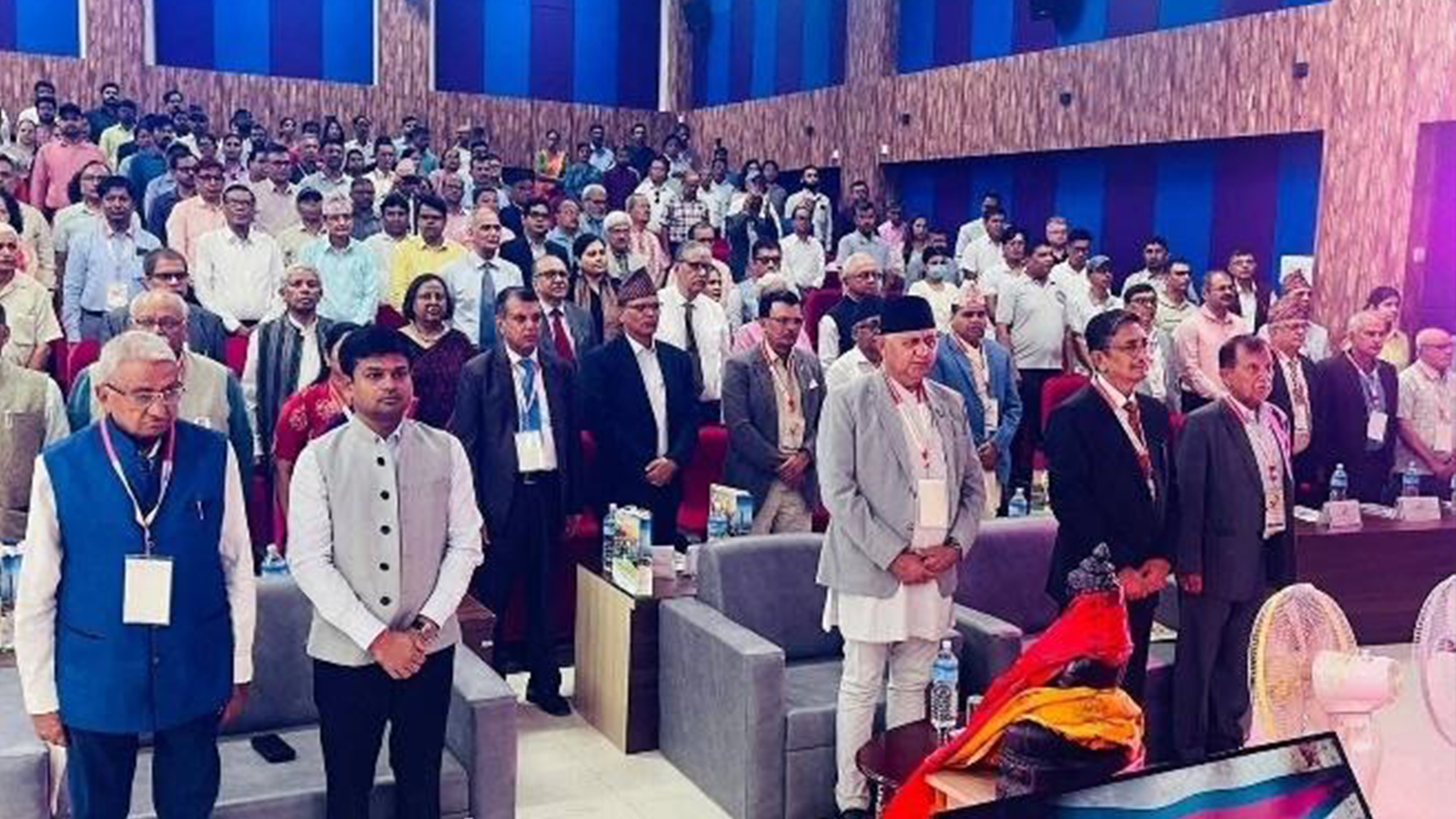
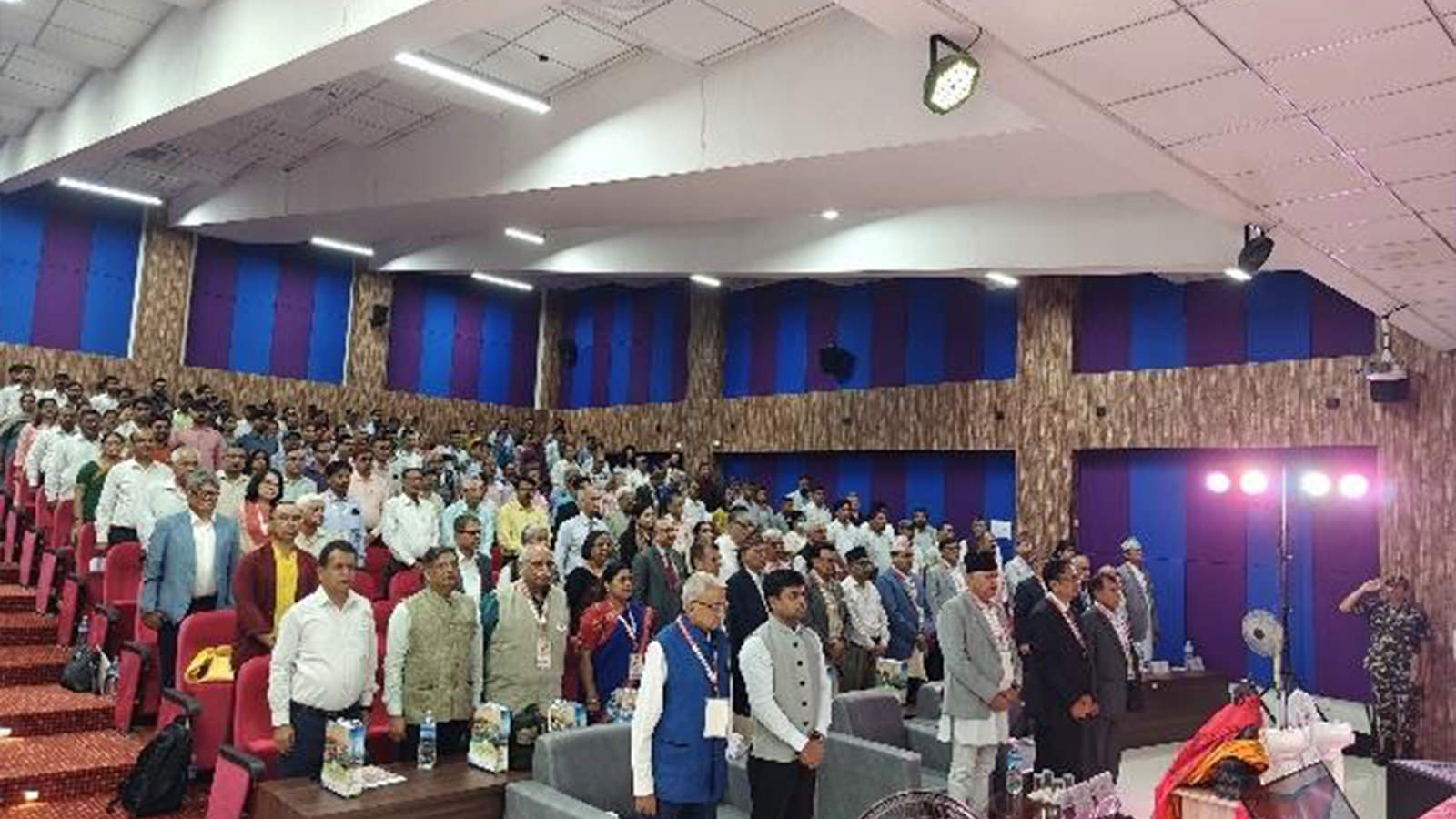
Tribute to the National Anthems of Nepal and India