.png)
The South Asia Foundation (SAF) and Lumbini Buddhist University (LBU), in partnership with Banaras Hindu University (BHU) and MIT-World Peace University (MIT-WPU), successfully convened an international conference in New Delhi exploring the intersection of India–Nepal relations, regional diplomacy, and the enduring relevance of Buddha’s teachings. The South Asia Centre for Peace Research and Sustainable Development (SACPRSD), LBU played a pivotal role in organizing this landmark gathering.
Supported by the B.P. Koirala Foundation, the Embassy of Nepal in India, the Embassy of India in Nepal, and the Indian Council of World Affairs (ICWA), the event brought together academics, diplomats, policymakers, and peace practitioners to forge dialogue on peace, cooperation, and sustainable development.
Key Objectives
Conference Highlights
Day 1: Key Sessions and Speakers
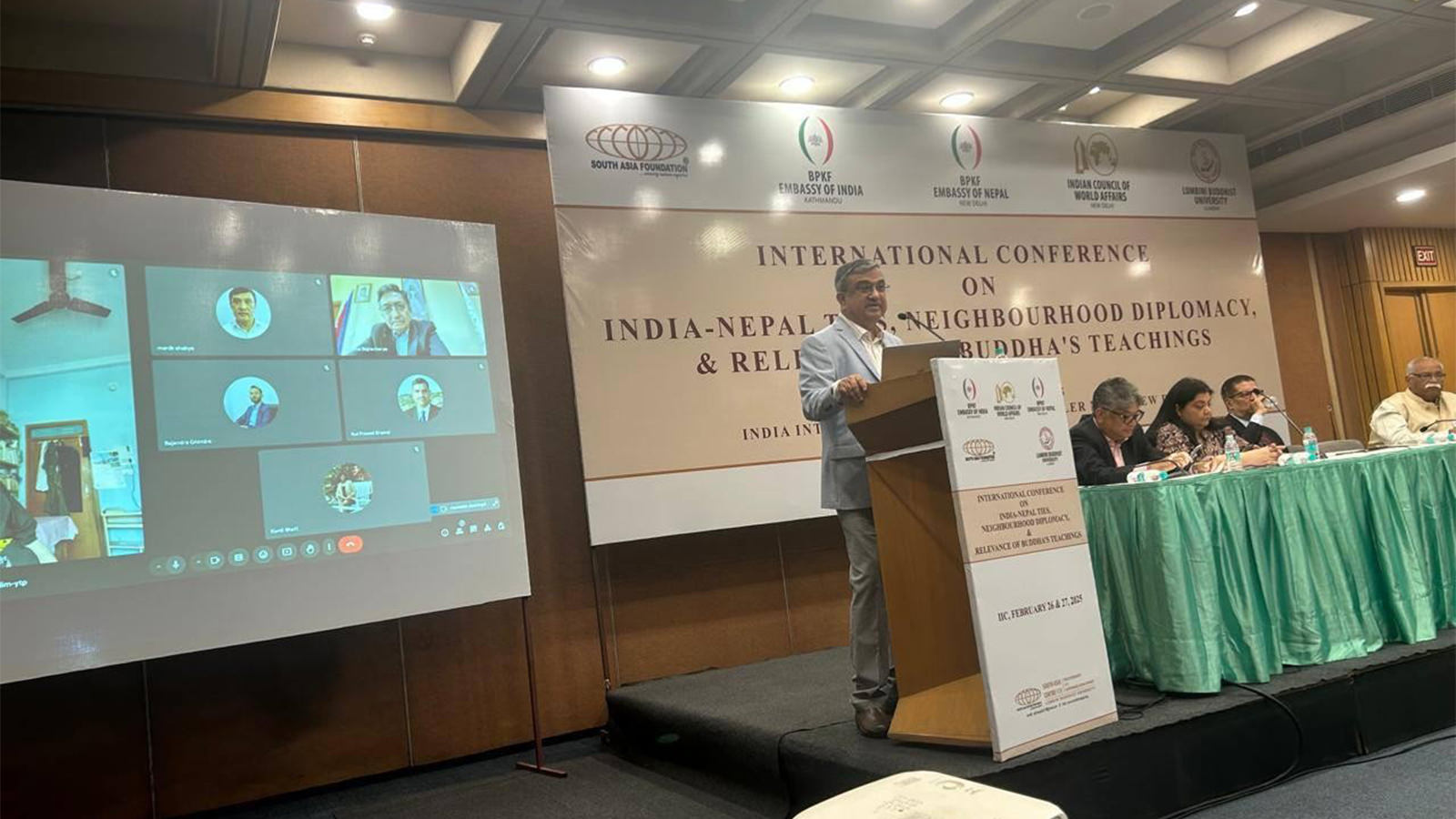
The conference opened with a virtual address by Prof. Subarna Lal Bajracharya, Vice Chancellor of LBU, followed by distinguished speakers:
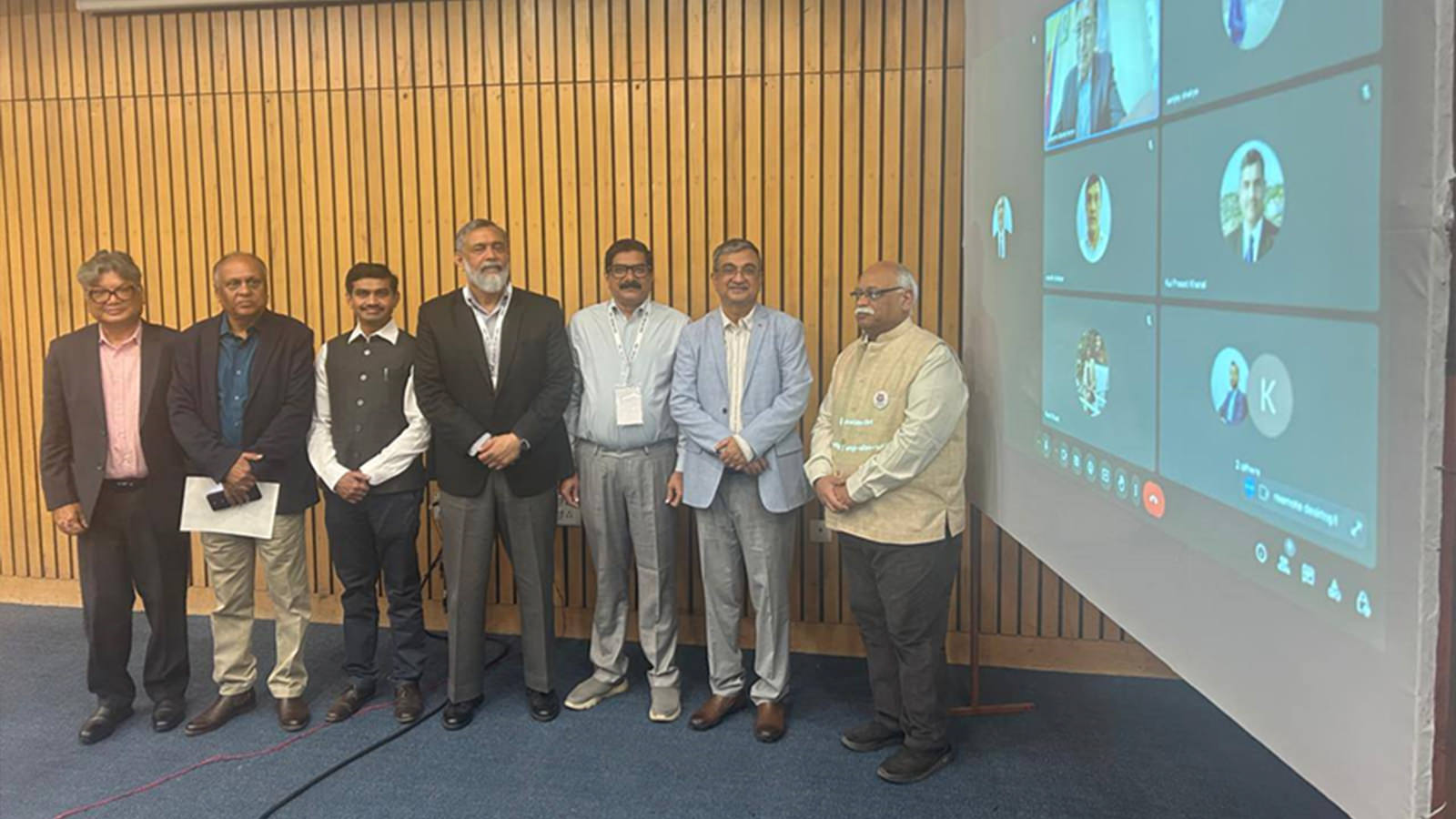
A Memorandum of Understanding (MoU) was signed virtually among leading universities and institutions including BHU, MIT-WPU, Nalanda University, Jamia Millia Islamia, International Buddhist Confederation, and SACPRSD, LBU—paving the way for faculty exchange, joint research, and academic collaboration.
Sessions further explored:
Day 2: Geopolitics & Future Pathways
Closing Session
The two-day deliberations concluded with:
Conclusion
The two-day conference provided a platform for scholars, diplomats, and policymakers to engage in discussions on India-Nepal relations, neighborhood diplomacy, and the relevance of Buddha’s teachings in today’s world. The event fostered academic collaborations, strengthened bilateral ties, and promoted a shared vision of peace and sustainable development.
The deliberations underscored the importance of regional cooperation, cultural heritage, and Buddhist philosophy in addressing contemporary challenges. The conference concluded with a shared commitment to further academic exchanges and policy dialogues to build a peaceful and prosperous South Asia.
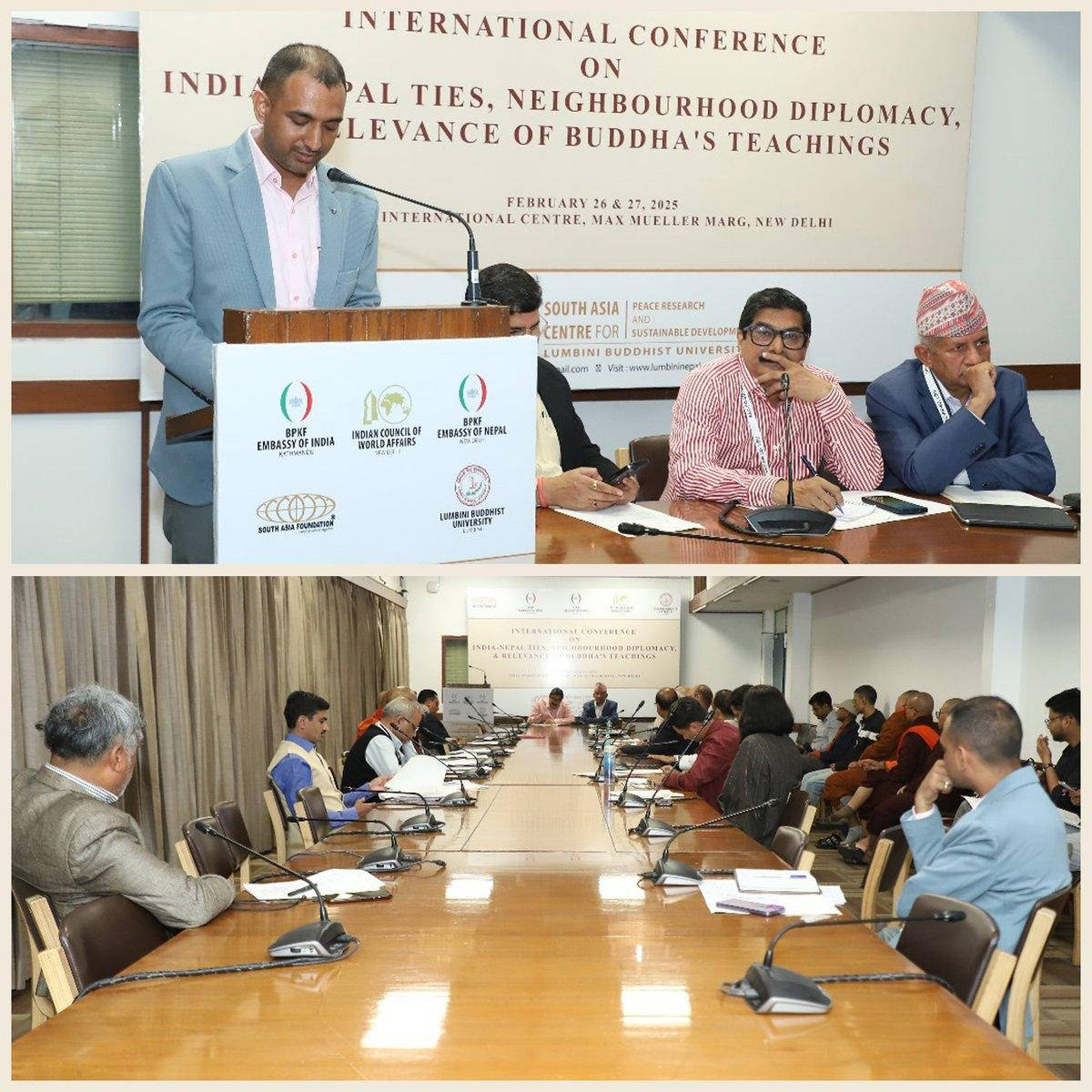
Dr. Subodh Chandra Bharti, Research Associate, presenting a paper entitled “Bridging Borders Through the Buddhist Circuit” on the 27th February 2025.
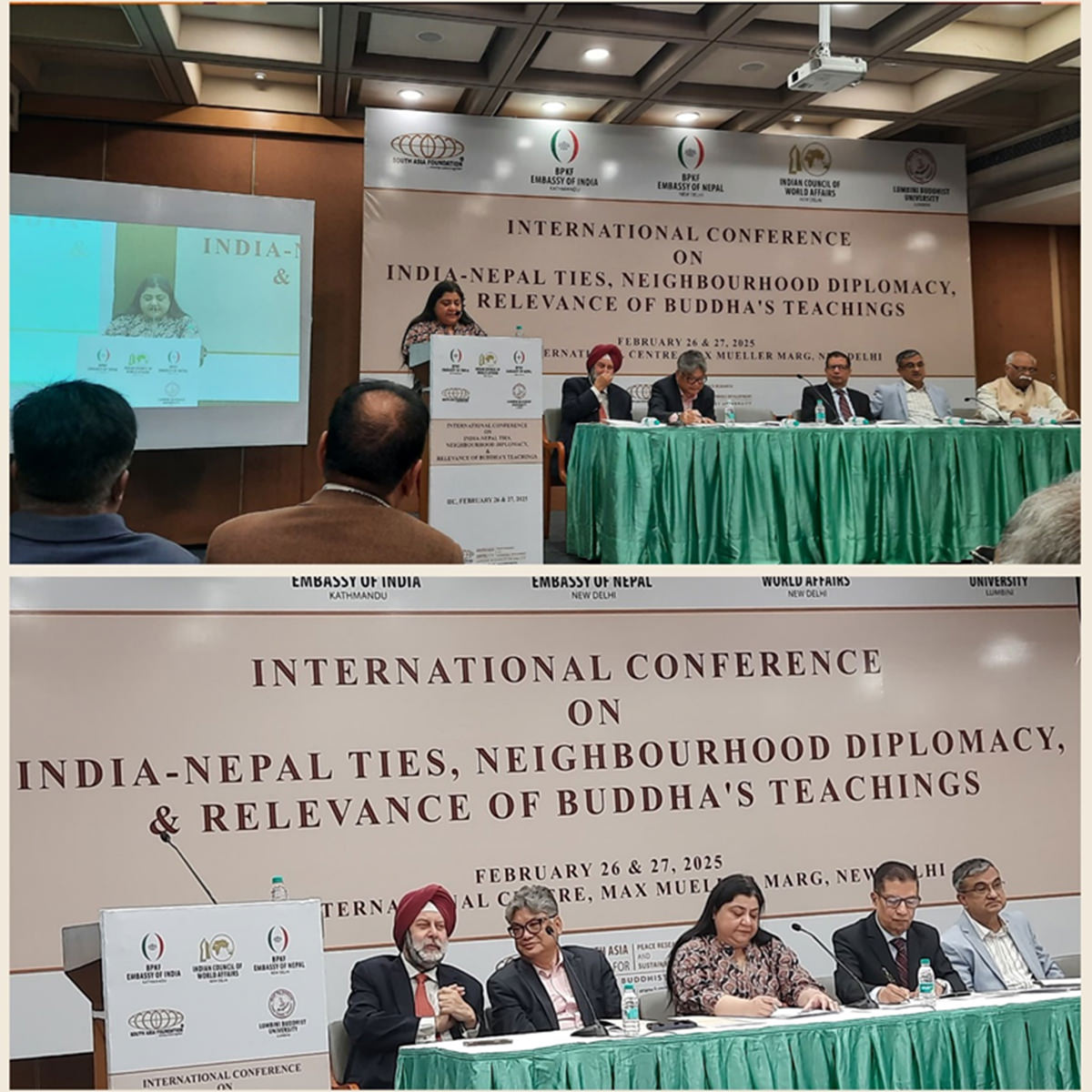
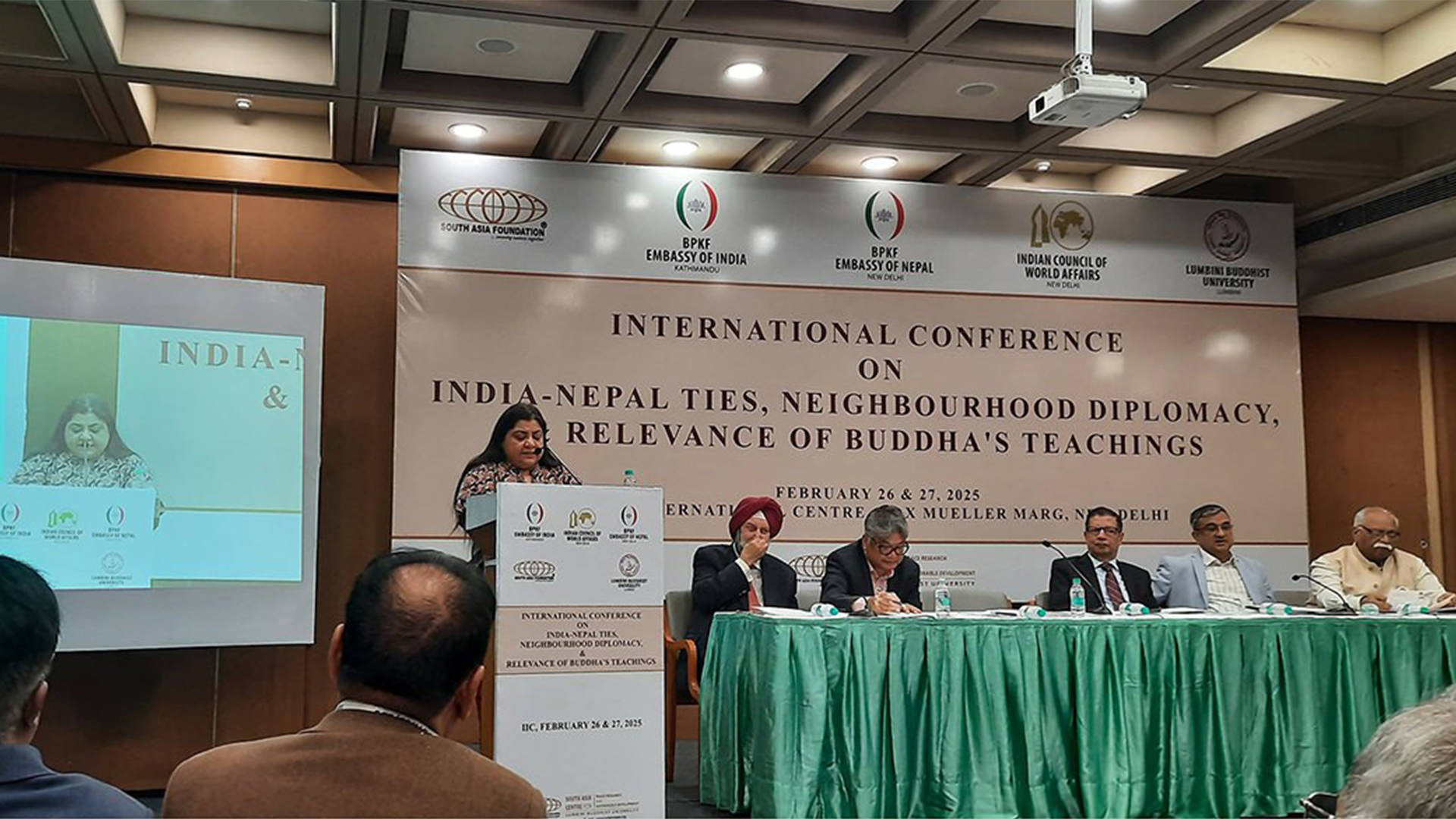
Inaugural Remarks by Ms. Nutan Kapoor Mahawar, Additional Secretary, ICWA, at the International Conference
Some glimpses from the conference: